
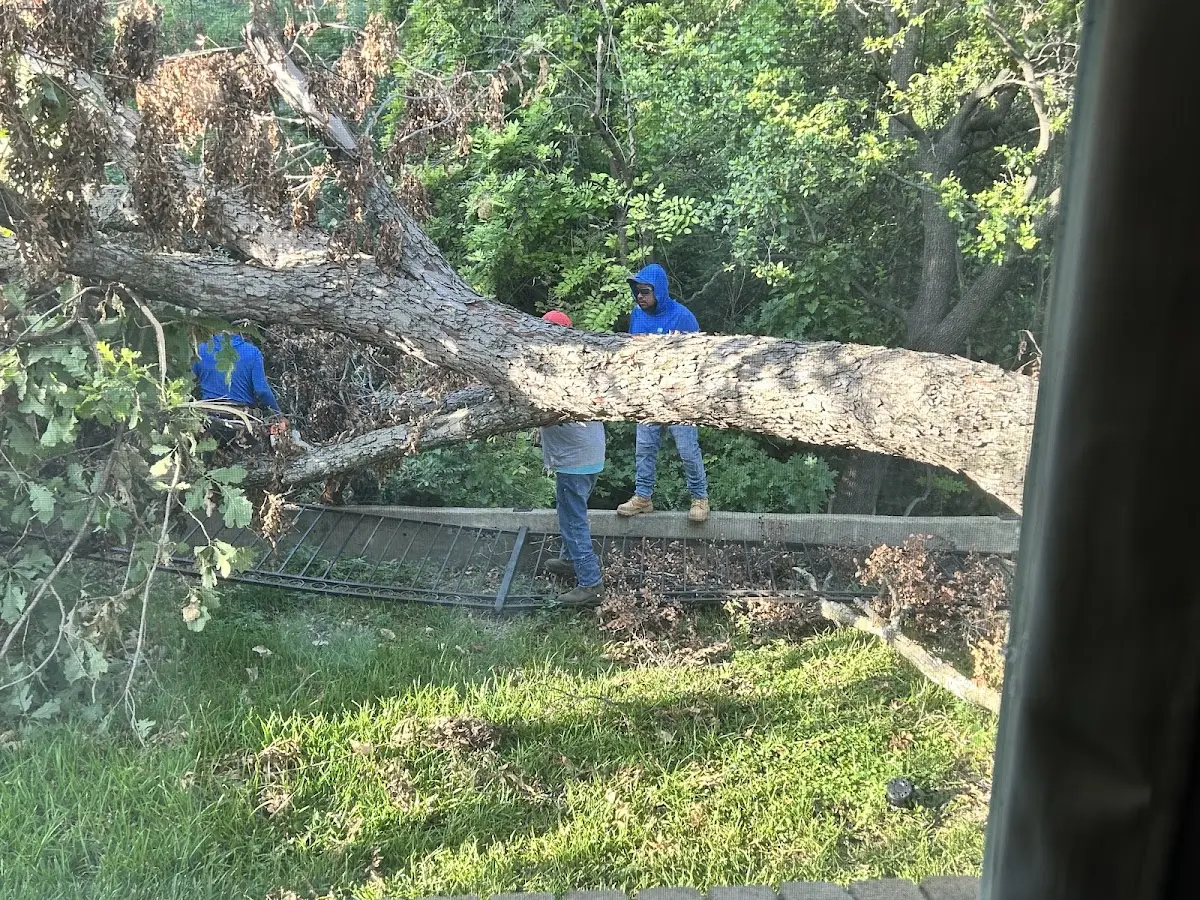
Trusted deadwooding for New Hudson properties. 24/7 emergency response, careful work, and transparent pricing.
Targeted deadwooding for New Hudson property owners. B. Haney and Sons Arborists climbers go through your tree systematically, identifying every dead branch worth removing — eliminating falling-limb hazards, reducing disease pathways, and improving the overall tree appearance. Live wood stays untouched; only deadwood comes out.
Whether you own a single-family home or manage a commercial property in New Hudson, professional deadwooding is essential for keeping your trees healthy, your property safe, and your insurance liability low. B. Haney and Sons Arborists has completed thousands of deadwooding projects across Michigan, and our New Hudson customers benefit from that depth of arborist experience on every job.
We understand that deadwooding can feel uncertain when you are not a tree expert yourself. That is why B. Haney and Sons Arborists makes the process simple for New Hudson property owners — free written estimates, transparent pricing, full insurance coverage, complete cleanup, and a dedicated crew leader from start to finish. Your satisfaction with the work is our standard.
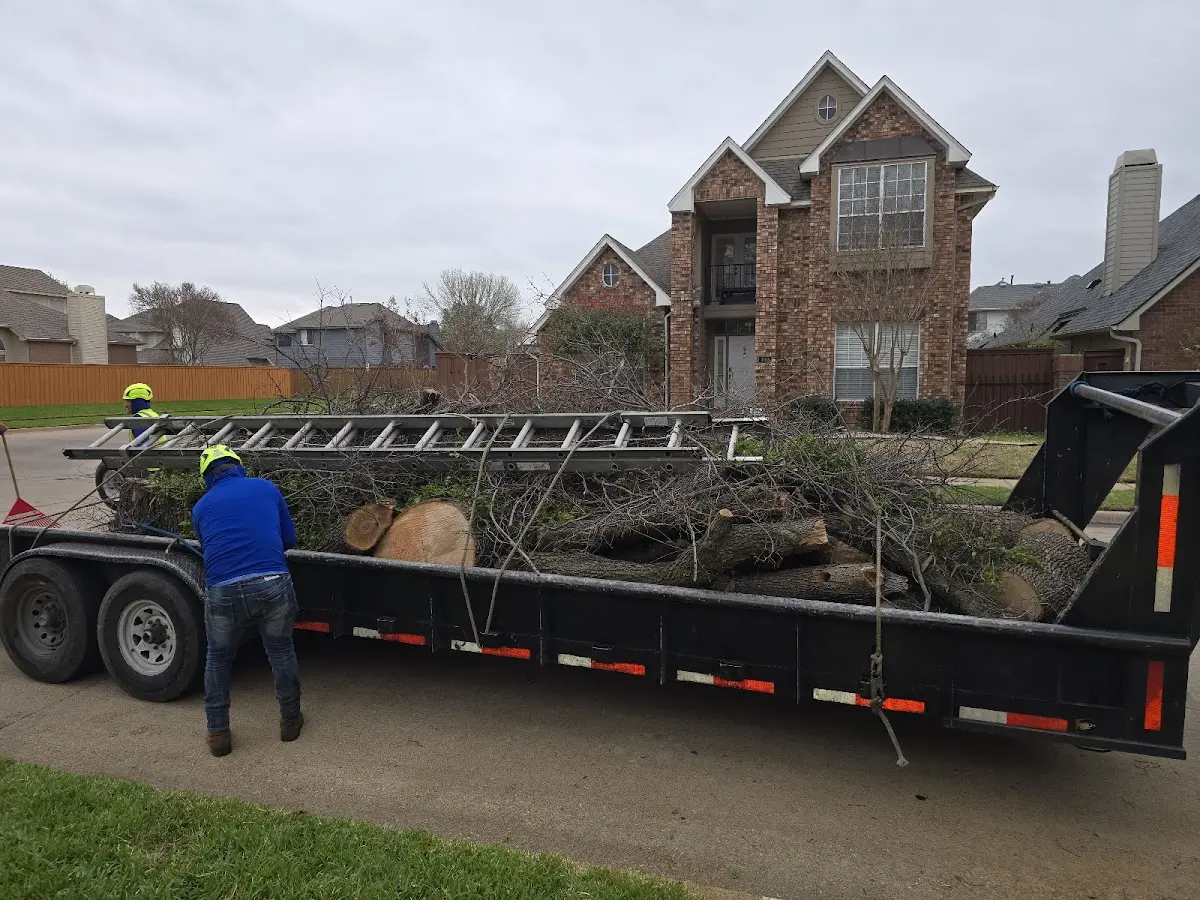
Our proven deadwooding process delivers reliable results for New Hudson property owners every time.
B. Haney and Sons Arborists begins every deadwooding project with an on-site assessment. We walk the property with you, evaluate every tree involved, and discuss the recommended approach for your New Hudson, MI project.
Our New Hudson crew sends you a written estimate that itemizes everything — labor, equipment, debris removal, stump grinding if requested. Approve it and we schedule the work around your calendar.
Our crew arrives on schedule with the right equipment, follows ANSI Z133 safety standards, and executes the work with proper rigging and tree-care science.
B. Haney and Sons Arborists finishes every deadwooding job in New Hudson with thorough cleanup. We rake the work area, sweep walks and driveways, and leave the site looking better than when we arrived. Final walkthrough always included.
Answers to frequently asked deadwooding questions from New Hudson property owners.
The cost of deadwooding in New Hudson depends on tree size, species, access, equipment required, and whether stump removal is included. B. Haney and Sons Arborists provides free written estimates with transparent pricing so you know exactly what to expect before any work begins. We work in a wide range of budgets and never quote blind.
B. Haney and Sons Arborists stands behind all deadwooding work in New Hudson, MI with workmanship pride from a company carrying on a tree care tradition since 1940. We address any quality concerns directly and promptly. Specific coverage varies by service type — ask about details during your free estimate.
Yes. B. Haney and Sons Arborists carries full general liability and workers compensation insurance for all deadwooding work in New Hudson. Tree work is high-risk and uninsured contractors expose property owners to serious financial liability. We provide certificates of insurance on request before any job starts.
For non-emergency deadwooding in New Hudson, we typically schedule within 1 to 2 weeks of estimate approval. For emergency tree work, our crews can usually arrive within 1 to 4 hours of the call. Schedules tighten significantly during storm weeks across Michigan.
Real feedback from property owners who trusted B. Haney and Sons Arborists with their tree care.
"Deadwooding on a large oak in our front yard. The arborist climbed up and removed every dead branch he could find — no broken limbs falling on us during storms now. Tree looks healthier and the canopy is more open. Excellent work."
"Hazardous tree removal on a leaning oak threatening our house. Crew arrived on time with proper equipment, rigged everything down in sections, and the property was completely safe the entire time. Great communication from quote through cleanup."
"The arborist gave honest advice during the estimate — recommended we keep two trees we thought needed removal because they were actually healthy and worth saving. Saved us money and kept the trees. That kind of integrity is rare."